
Core Principles of Games That Inspire Wonder
Games that inspire wonder use strong design principles to captivate players. They blend deep emotions with clever mechanics, encouraging curiosity and meaningful experiences.
Defining Wonder in Game Experiences
Wonder in games does not happen by accident. It is made through thoughtful design choices that shape how players see and feel the world around them. Elements like unique art styles, music, and surprising moments help create an atmosphere where players feel amazed.
Games such as Journey or The Legend of Zelda: Breath of the Wild use minimal dialogue but capture attention with breathtaking environments and mysterious storytelling. Wonder arises when a game delivers something unexpected or lets players see familiar things in new ways.
A sense of scale, hidden mysteries, and carefully revealed details all play a part. Crafting wonder often means balancing familiarity with surprise, giving players enough guidance to know what to do but leaving room for imagination. Well-made games use these tools to make every moment feel special and worth remembering.
Emotional Resonance and Player Engagement
A game’s emotional impact is vital for lasting wonder. Emotional resonance draws players in and keeps them invested. This is achieved by characters with relatable goals, believable stories, or challenges that spark feelings like hope, curiosity, or awe.
Games often connect through interactive storytelling and choices that matter. Simple mechanics, such as discovering a forgotten message or helping a character in need, can trigger strong feelings. Reward systems, such as achievements or visual feedback, further reinforce this connection (learn more at CG Spectrum’s post on player engagement).
Design teams use sound, dialogue, and pacing to set the mood. Real stakes and clear feedback keep the player emotionally involved. This combination ensures that players not only remember the game, but also recall the feelings they experienced while playing.
Designing for Curiosity and Exploration
Encouraging curiosity is central to games that spark wonder. Designers use open worlds, secret paths, and environmental clues to invite players to explore. This freedom allows for personal discoveries and builds excitement.
Key elements of exploration include:
- Hidden Items or Areas: Encourage players to look beyond the obvious.
- Nonlinear Paths: Let players choose their route and create their own stories.
- Meaningful Rewards: Make discoveries feel worthwhile, such as new abilities or lore.
- Dynamic Environments: Change the world in response to player actions or time.
Games like Skyrim and Little Nightmares II reward players who take time to investigate. Clear cues guide new players, while secrets and surprises keep veterans engaged. This keeps exploration exciting and ensures that each player’s adventure feels unique and memorable.
By focusing on these design choices, creators can craft experiences where curiosity is always rewarded and the drive to see “what’s next” never fades.
Foundational Game Design Strategies
Game design uses a mix of creativity and planning to build engaging experiences. Understanding mechanics, visual style, and feedback helps designers create games people want to play.
Balancing Mechanics with Artistic Vision
A successful game hinges on its ability to connect mechanics with artistic choices. Mechanics are the rules, actions, and systems that tell players how to interact with the game. Artistic vision includes everything from graphics to sound to story.
Designers often create a list of core mechanics and rank them by importance to gameplay and fun. They may use a table to track which mechanics support the story or visuals:
| Mechanic | Supports Story | Enhances Visuals |
|---|---|---|
| Jumping | Yes | No |
| Puzzle Solving | Yes | Yes |
| Combat | No | Yes |
The goal is to make sure every mechanic supports the game’s theme and style. When mechanics and visuals align, players are more likely to feel immersed in the world. Read more about how designers bring these elements together at The Fundamentals of Game Design.
Crafting Unique and Memorable Worlds
Building standout worlds takes more than just detailed art. Designers combine story, characters, and environment to make the game world feel real and inviting.
Lists help with focus:
- Define the world’s rules (magic, physics, logic)
- Give each place in the game a purpose or history
- Create memorable characters with their own goals
Attention to small details, such as music, sound effects, and textures, shapes how players connect to the setting. These worlds invite exploration and create strong memories, keeping players curious and engaged.
Iterative Playtesting and Player Feedback
Iterative playtesting means releasing game builds, testing what works, and making changes based on what players experience. This process is key to finding bugs and figuring out if the mechanics feel good or need fixing.
Feedback can come from testers, surveys, or community input. Designers write down all suggestions and sort them by how important they are to gameplay. Only changes that improve the core experience get added.
Multiple rounds of playtesting and feedback shape the final design. This step-by-step improvement helps ensure the final game is both fun and frustration-free, as outlined in game design fundamentals.
Innovative Game Mechanics That Fuel Imagination
Game mechanics shape how players interact, explore, and solve problems within a game. The right mechanics encourage experimentation, creativity, and engagement through meaningful choices and unexpected outcomes.
Mechanics That Promote Player Agency
Player agency gives individuals the power to make choices that influence a game’s world and outcome. Mechanics that offer multiple solutions or branching paths keep players invested and curious. For example, letting players solve a puzzle with stealth, diplomacy, or force allows for self-expression.
Adding skill trees or open-ended goals lets players create their own strategies and invent solutions. Games like these often use dialog choices, equipment customization, or building systems to encourage creative thinking. When players know their actions matter, they feel ownership over their journey, fueling their wonder and investment in the game.
Choice-driven mechanics also make stories feel personal. Players encounter unique consequences or rewards based on how they play. Including meaningful feedback, like visible world changes or character reactions, helps reinforce the value of these decisions and makes each playthrough feel distinct.
Emergent Gameplay and Unpredictability
Emergent gameplay happens when simple rules and mechanics interact to produce surprising or complex results. For example, physics-based puzzles or sandbox environments often combine player actions and in-game systems to create results the designer did not script.
Unpredictability adds excitement and replay value. Random elements, such as procedural level generation or dynamic weather, give players different experiences each time. Players are encouraged to test ideas and explore, never quite sure what will happen.
Examples of mechanics that encourage emergent gameplay:
| Mechanic | Effect |
|---|---|
| Physics interactions | New solutions and pathways |
| AI-driven NPC behavior | Unscripted events and encounters |
| Crafting systems | Unique item combinations and outcomes |
Blending these elements with core gameplay lets players invent tactics, find unplanned shortcuts, or create memorable stories. For more on this, see how merging mechanics can inspire new experiences.
Integrating Art Styles with Rules
A game’s visual style can enhance and even shape its mechanics. For instance, minimalist art may guide focus to simple yet deep mechanics, while detailed worlds can host layered or immersive rulesets.
Color, shape, and animation can signal important information. For example, a glowing path shows where players can interact, while unique symbols indicate mechanics at play. Carefully linked visuals and rules improve clarity and make mechanics more intuitive.
Art can tie directly into gameplay by setting mood, signaling danger, or even changing according to player actions. Rhythm games that blend music with visuals or strategy games that reflect a player’s progress in the art style use this integration well. The closer the connection between the rules and visual design, the more seamless and inspiring the experience becomes.
Role-Playing Games as a Canvas for Wonder
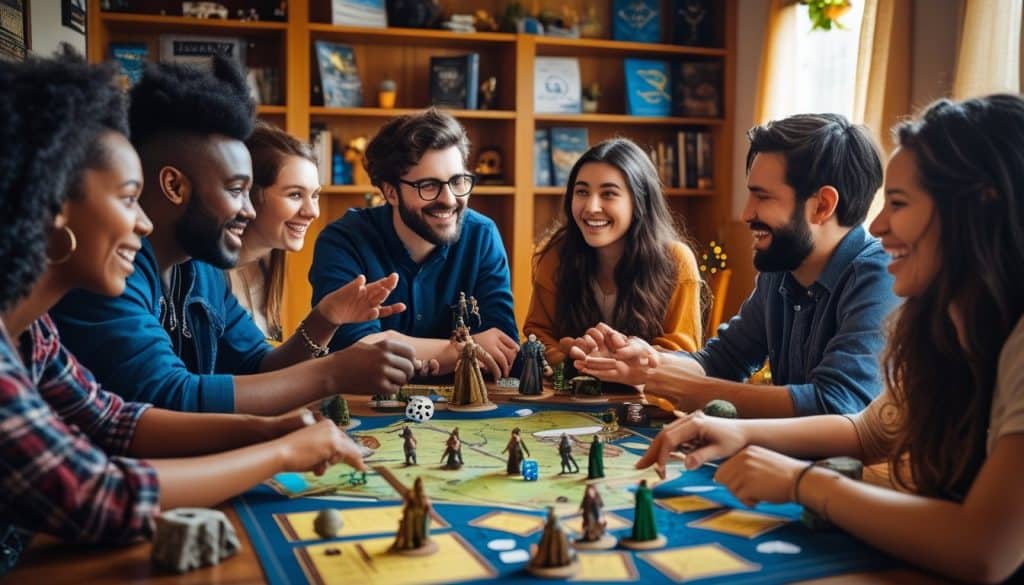
Role-playing games (RPGs) bring together art, story, and interactivity to create memorable worlds and experiences. These games use visual styles, community-driven narratives, and immersive settings to capture the imagination and spark curiosity.
Distinctive Art Styles in RPGs
Unique art styles set RPGs apart, providing visual cues that shape the way players think about the game world. Some games use hand-drawn illustrations, pixel art, or 3D models, each bringing a different feeling and level of detail. These styles help players understand the mood and rules of the game.
Tabletop RPGs often feature expressive cover art and character portraits, setting the tone before the game even starts. In digital RPGs, lighting, color schemes, and effects draw players’ attention to important details or hint at hidden dangers.
Designers use distinctive art not just for looks but to support game mechanics and worldbuilding. When art and design align, it helps players feel like they are part of something special and unfamiliar, which encourages more creative play. For more ideas, check out this overview of the transformative power of RPG manual art.
Community Interaction and Collective Storytelling
RPGs thrive on teamwork and story creation between players. During a game, everyone’s choices shape the story and world, making each experience unique. This collaborative storytelling encourages players to use their imagination and think from others’ points of view.
The game master and players build on each other’s ideas, creating plot twists, characters, and unexpected solutions. Whether at the table or online, players communicate, negotiate, and solve problems as a team.
Lists of player-created characters, custom adventures, and house rules show how communities keep growing and transforming each game. This type of group creativity is highlighted in how role-playing games nurture imagination and creativity.
Evoking Immersion Through Setting and Character
Immersive settings help players escape into the world of the game. Well-developed maps, detailed environments, and rich character backgrounds make it easier to picture the world and get lost in it. Players often create their own characters, choosing how they look, act, and interact with others.
The game’s setting—whether it’s a classic fantasy realm, futuristic city, or something in between—influences the tone and types of stories that unfold. Small details like weather, culture, and language can make the setting feel more real and open up new story possibilities.
By letting players step into these roles, RPGs give them freedom to try on different identities and explore different perspectives. Immersion grows as visuals, storytelling, and choices come together, leading to memorable and wonder-filled experiences in role-playing games.
Leave a Reply